
What is: Oh My Galaxy!
Oh My Galaxy is nDreams Nearlight Debut into the Android XR. The game is a casual arcade experience inspired by the likes of Peggle and Angry Birds in Space where you use a team of rowdy asteroids to save the galaxy from cosmic blights with the help of your trusty energy launcher.
I worked on the project initially as a Level Designer and then assumed the mantle of Lead Designer as the project was picked up by Google to ship for the Galaxy XR Headset. The pre-production assets such as node diagrams top down plans as well as iteration documentation are still under NDA hence below you will only find content that has been publicly release.
Features
Shoot asteroids into evil monsters
Overcome challenges / puzzles in 100s of Levels
Use the environment to your benefit in saving loveable planets
Achieve high score and 3 stars across all stages
Use hand tracking to control all aspects of the game
Main Contributions
Creating Design pillars to accommodate for a total of 108 Released Levels
Difficulty balancing and creating pacing charts to help designers achieve the desired difficulty curve
Mentoring and leading the design team for the project
Close collaboration with Engineering and Art departments for the implementation of Level Assets and Gameplay mechanics
Leading company wide playtest sessions and collating feedback to perform data driven iteration
Rapidly prototyping level concepts and gameplay mechanics to provide proof of concept
Responsibilities
-
Creating the core level design structure based on direction from senior management to account for the creation of 12 Worlds with 12 Stages within each totalling to 144 planned Levels. 36 of these levels were subsequently removed from the final version of the game resorting in the 9 World structure we have in the current build.
-
Creating the Level design pillars and designating key design focuses for the 9 Worlds focusing on constant ramp of difficulty and complexity as the player progresses. This also helped to breadcrumb the mechanics as the player progresses through the game helping to avoid them being overwhelmed from the get go.
-
Overall Level Design Pillars.
-Predictable Orbits: I wanted to ensure that all orbits are predictable to the player. Depth perception in Mixed Reality games can cause a lot of issues for players so from a level design viewpoint I aimed to help alleviate this by designing levels with consistent orbits that can be anticipated by the player.
-Reward Experimentation: I aimed to encourage multiple different approaches to levels where possible although limited by time and budget constraints. Allowing players to feel additional satisfaction for completing levels in more and more optimal ways.
-Precise / Chaos: Having a balence of levels where precise timing is required followed by all out chaos to disrupt the pacing and provide increased player satisfaction. -
Organizing weekly teamwide feedback session to achieve targeted Qualitative and Quantitative feedback to allow for data driven Iteration. Feedback was collected via forms and MS Teams and then collated in matrix's within Miro to help determine grouped themes and target areas to improve within the feedback.
-
Creating target levels for to set the bar for mechanical complexity and fun factor to guide other designers in creating levels.
-
Creating all Smoke test levels for QA, Code and Art to run through when testing specific gameplay mechanics and features speeding up the regression and other testing methods.
-
Cooperating closely with the Code team to create a robust set of tools to facilitate the streamlining of creating and testing new levels.
-
Designing and Iterating on Levels throughout the development of the game.
-
-
Designing All Launcher and Asteroid manipulation mechanics
-
Launcher Controls
-
Asteroid Ammo Behaviour
-
Player Feedback requirements
-
Special Ability activation mechanic
-
-
Designing the core functionality behind each of the 5 Asteroids
-
Red Rumble: The default asteroid the player begins the game with no special ability activation fire it and deal the base damage of an Asteroid.
-
Splitter Stone: The first unlockable Asteroid, hold a fist to charge the prediction lines these show you where the mini Asteroids will go. After Activating the Asteroids splits into 6 mini Asteroids dealing less damage over a wide area, like a shotgun.
-
Boom Boulder: This asteroid charges as you hold your fist emitting a radius effect when you release it deals massive damage to everything nearby.
-
Pause Pebble: This asteroid manipulates time upon activating the ability the asteroid is frozen in place and becomes protecting by a damaging electric bubble. Anything that passes into this bubble is destroyed
-
Super Speedy: This asteroid charges when you activate an ability then on release it zooms off at super speed dealing massive damage for gravity negating shots.
-
-
Designing the core functionality behind all of the games environmental objects.
-
Debris
-
Used to provide score to the player but also block shots in some situations.
-
Used to help guide the players eye and contextualize the space in Mixed Reality.
-
Used to help improve depth perception in more complex levels.
-
-
Shields
-
Used to block shots of asteroids and provide a challenge to the player.
-
Can be countered by Boom Boulders and Boom Blights.
-
-
Bounce Pads
-
Used to reflect shots and bounce across the levels.
-
Bounce pads increase asteroid duration allowing for more complex levels.
-
-
Boom Blights
-
Used to provide a risk reward puzzle, players can detonate them at the correct time for lots of destruction and points or in the wrong situation cause a level failure.
-
-
Asteroid Ammo
-
Players destroy these to regain shots which allows for tiered puzzles where players must first gain enough asteroids to complete the puzzle.
-
-
Wormholes
-
Acts as a linked portal allowing players to shoot their asteroid through the wormholes for increased difficulty and score.
-
-
Black Holes
-
Acts as gravity absorption points providing level wide zones where shots will be curved requiring additional thought and planning from the player to complete.
-
-
-
Designing the Core mechanics and behaviours behind all of the games enemies
-
Basic Witherite
-
Standard enemy across the game destroyable in most cases with a single shot from a standard Asteroid
-
-
Shielded Witherite
-
A standard enemy but with a shield for added protection requiring more creative approaches to destroying them
-
-
Big Witherite
-
A bigger stronger witherite taking more shots to destroy
-
-
Strong Witherite
-
A metallic witherite requiring specialized asteroids to deal with effectively
-
-
Boss Witherite
-
A hive mind enemy with orbiting witherites creating an invulnerable shield till they are destroyed
-
-
-
Designing the behaviours for Planets
-
Planet Personality / Face behaviours
-
Planet Health and Gravity based on Scale
-
Planet Distribution across worlds
-
-
-
Creating and maintaining the relevancy of a Level Tracking Excel document which tracked all the contents of the 108 levels for the team to access whenever they needed
-
Maintaining the relevancy of confluence pages to ensure documentation and information regarding key features and meetings are up to date.
-
Creating documentation on the functionality of gameplay mechanics
-
Iterating on proposals to adapt VR based mechanics to Mixed Reality
-
Documenting processes and workflows in order to map the future workflow of projects
-
-
Towards the tail end of the project assisting QA with smoke tests and Perfroamance test to match XR milestone guidelines
-
Assisting the Art team with the implementation and updating of 3D assets throughout the project
-
Creating milestone goals and sprint plans to hit key deadlines
-
Managing tasks and workload assignments of numerous team members
-
Prioritising key bugs and task to maximise the impact of changes within the short timescale of the project
-
Performing consistent testing between Quest 3 and Android XR to identify platform and hardware inconsistencies that could affect the players experience
-
-
Creating weekly Level Design meetings with the team to discuss blockers and review work on a week to week basis to accommodate the Agile Workflow of the Project
-
Mentoring Junior Designers by teaching them Technical skills to improve their workflows and remove blockers
-
Allocating and Delegating design tasks to ensure that Design as a Discipline always met milestone goals
-
Encouraging spaces for open and transparent feedback to remove blockers on communication and nurture new ideas.
-
World 1 : Reds Rumble
Level Overview
This introductory world is meticulously designed as a gradual onboarding process. It systematically introduces the primary antagonist, the Witherite, alongside the functionality of the basic asteroid. Through an incremental level structure, players are exposed to new variations of how to use standard asteroids and foundational gravity mechanics. This approach ensures a smooth learning curve, culminating in a strong command of the core gameplay loop and a hunger for the more complex and grandiose challenges to come."
Responsibilities
-
Full Layout from concept to Release
-
Pacing and Difficulty balancing
-
Design Targets for world
-
Iterating on levels using playtest data and approving iterations from fellow designers
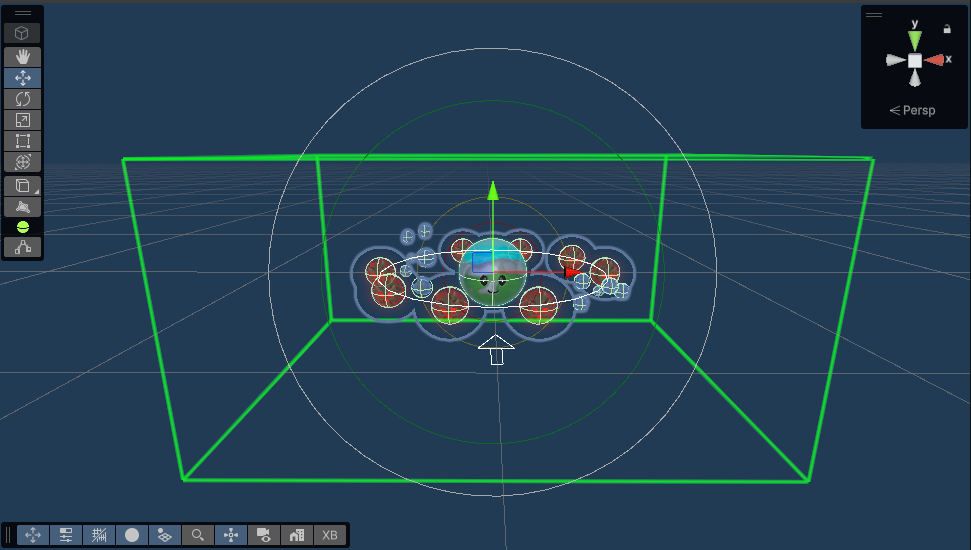
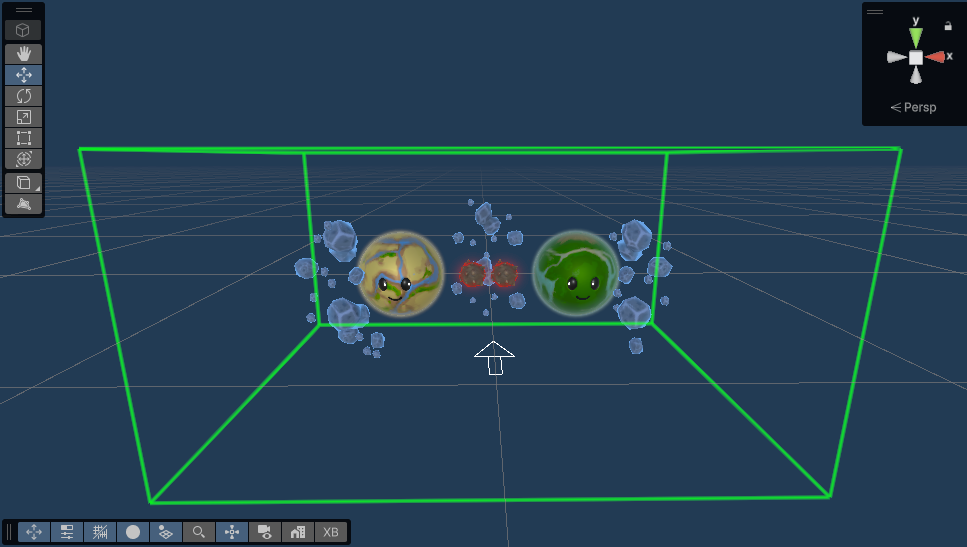
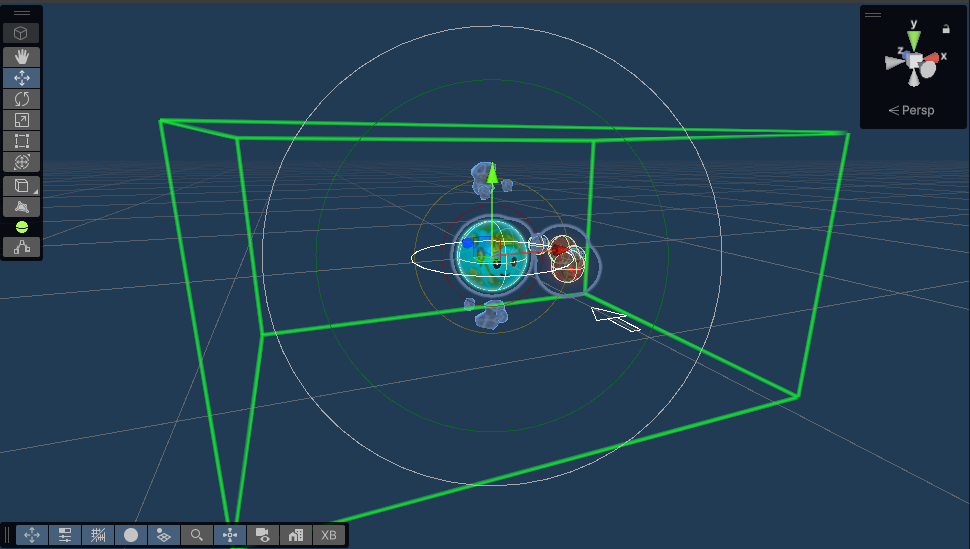

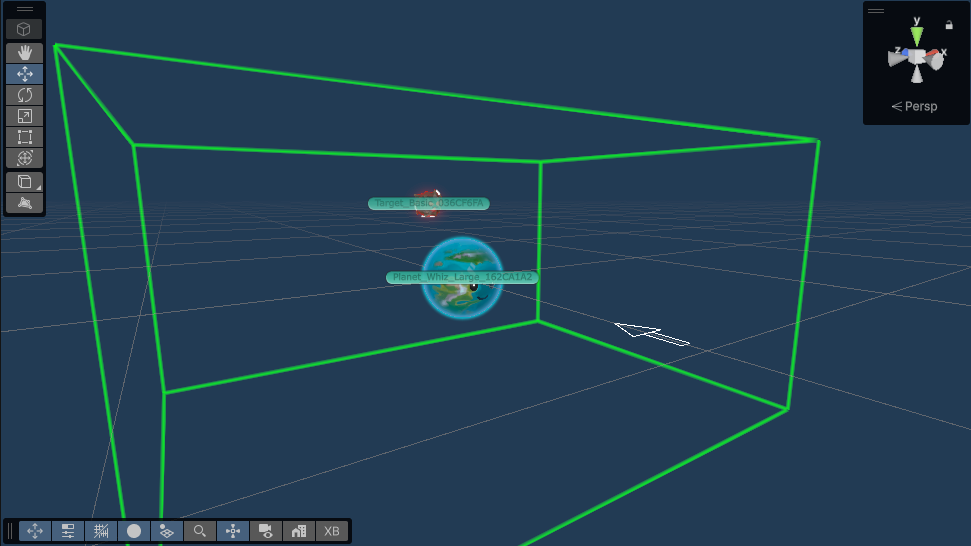
Level Design Goals
Getting the basics right:
Simple and Intuitive:
Consistent Orbits:
Teach Players basic mechanics such as gravity and Orbits debris / fragments
Problems & Solutions
Problem Encountered: We found that depth perception or orbiting witherites was difficulty to ascertain for users.
Solution: I decided that using debris objects as a way to telegraph orbits would help.
Result: we found this to be affective and incorporated this within our workflow.
My Responsible Levels
I can currently showcase 9 of the levels I made for Frenzies, these include a variety of multipurpose maps made to accommodate a wide variety of gamemodes such as Domination and Glitter Pig CTF. As well as specialized maps built bespoke around the functionality of a single unique objective. I have also created the matchmaking level and the game frontend which are used by players as soon as they boot the game and queue for match respectively.
All listed levels were concepted, created and iterated upon by myself, having overall responsibility for each level and managing communication between code art and design within the context of each level.


World 2 : Withering Wardens
Level Overview
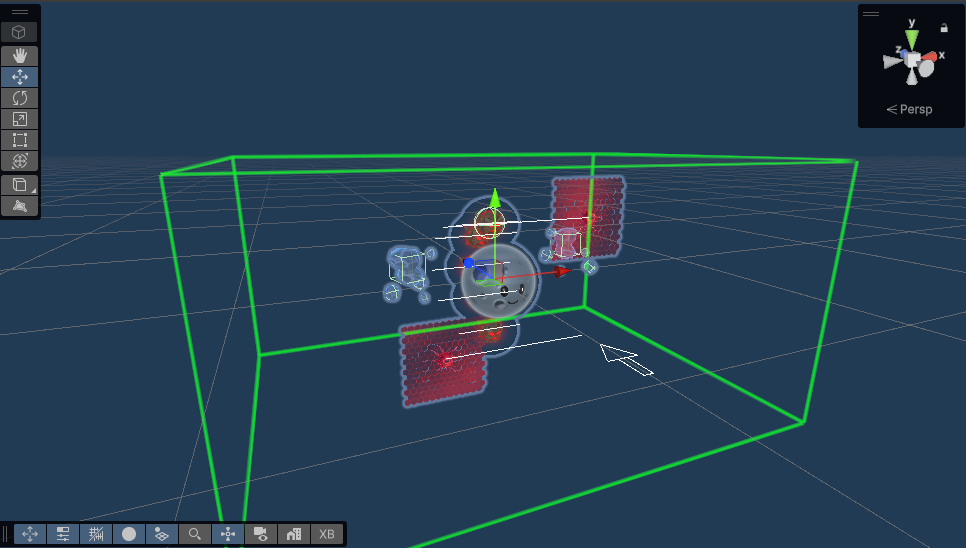
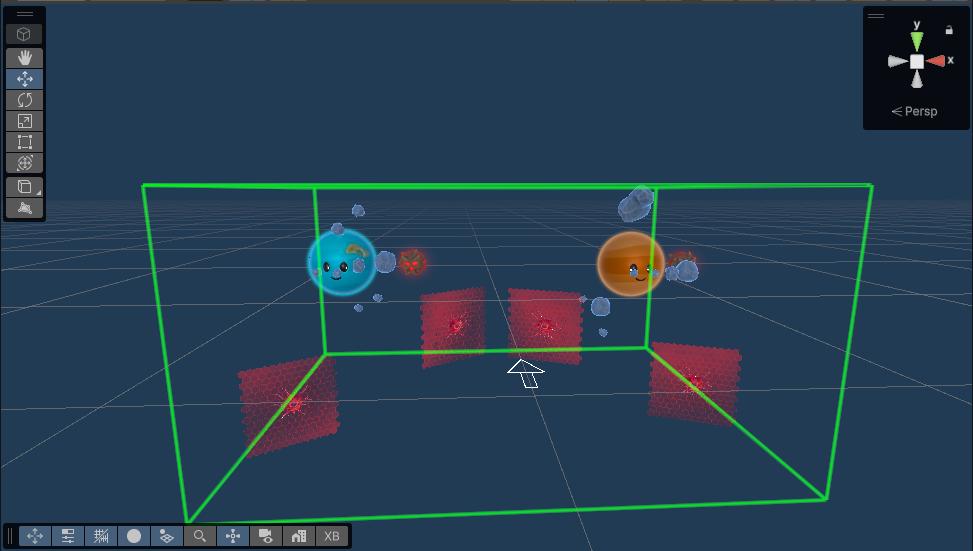
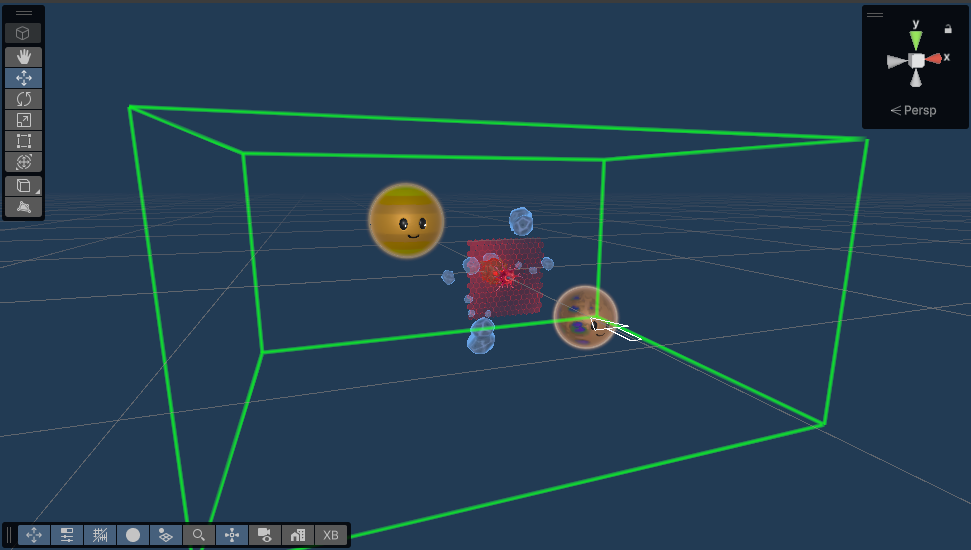
his set of levels introduces a new layer of strategic complexity. Having mastered direct combat, players are now challenged by the integration of shield environmental objects. The difficulty increments gradually, mirroring World 1's pacing, but the skill floor is raised substantially. This forces players to move beyond simple engagement, requiring tactical decision-making and creating a richer spectrum of strategic player choice when approaching shielded targets.
Responsibilities
-
Full Layout from concept to Release
-
Pacing and Difficulty balancing
-
Design Targets for world
-
Iterating on levels using playtest data and approving iterations from fellow designers


Level Design Goals
Introduce Shields
Increased difficulty due to the obstacle to overcome
Simple at start complex at the end
Teach players how to deal with shields and overcome problems with encased targets and planets
Problems & Solutions
Problem Encountered: During playtest users overwhelmingly stated that shields felt too tanky and difficult to overcome
Solution: Reducing the health value of the shields to accommodate for one asteroid shot fewer
Result: We had to rebalance existing asteroid amounts on existing levels for World 2, however this proved to be an effective change to make the destruction of shields more satisfying
World 3 : Crystaline Rift
Level Overview
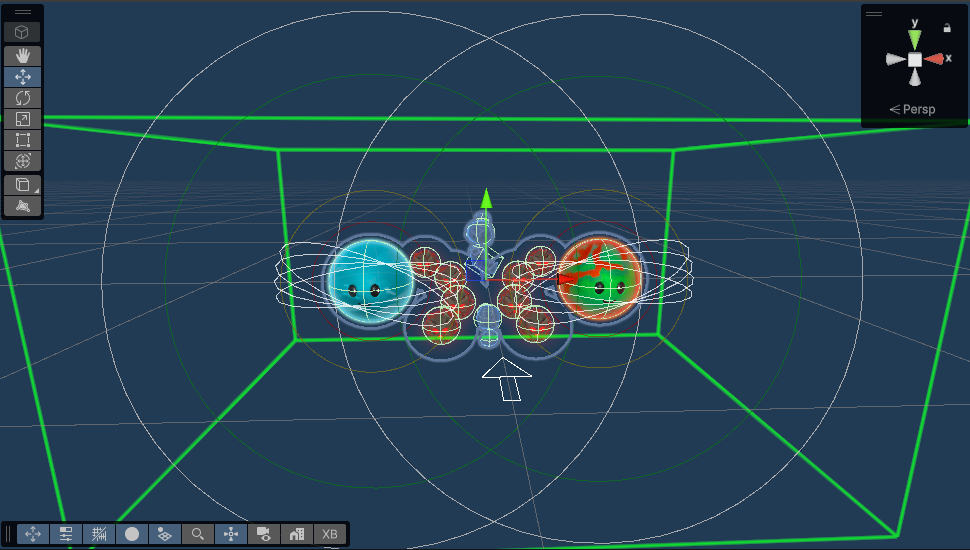
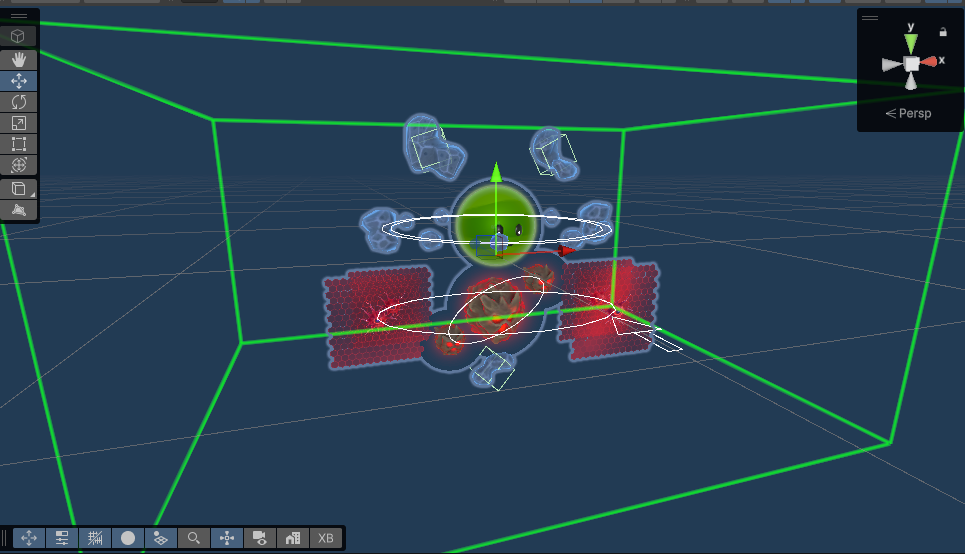
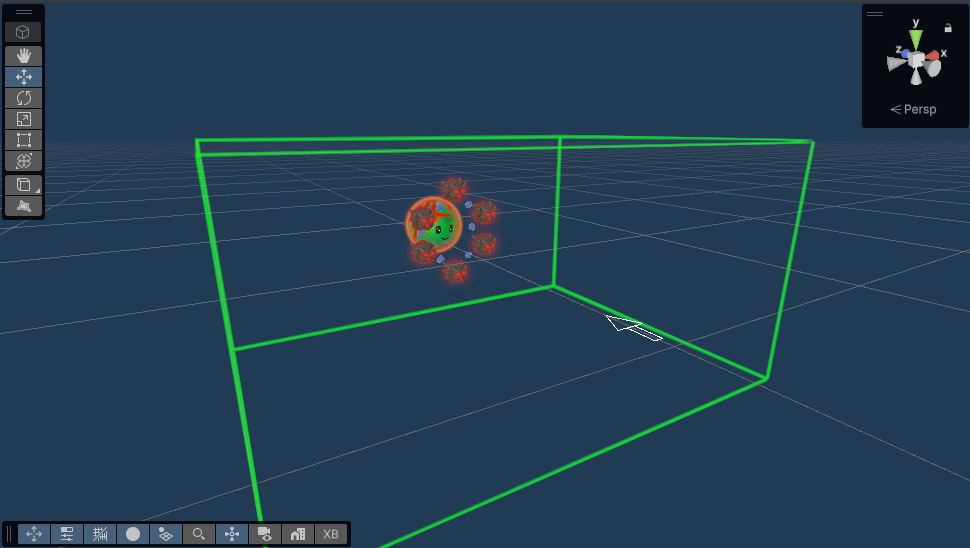
This world introduces a significant gameplay twist through the Splitter Stone a new asteroid type that fragments into six smaller projectiles upon activation. Following this mechanic's integration, players encounter the 'Big Witherite' challenge. This encounter is specifically designed to leverage the Splitter Stone's unique ability, encouraging creative, high-impact solutions and rewarding players with more satisfying pathways to achieve competitive high scores.
Responsibilities
Full Layout from concept to Release
Pacing and Difficulty balancing
Design Targets for world
Iterating on levels using playtest data and approving iterations from fellow designers


Level Design Goals
Introduce the Splitter Stone
Introduce new puzzles with the Splitter Stone And Shields
Simple at start complex at the end
Teach players the basics of using the splitter asteroid and key gestures for activating any special ability. with the addition of the big target
Problems & Solutions
Problem Encountered: During playtests players found that the direction in which the asteroids split for the splitter stone was inconsistent and difficulty to achieve chain reactions.
Solution: We determined that the most cost effective solution would be to change the asteroid count from 3 to 6 to form a new uniform pattern.
Result: The new pattern of 6 helped to enhance the creation of more unique level layouts and improve the players experience.
World 4 : Boingtopia
Level Overview
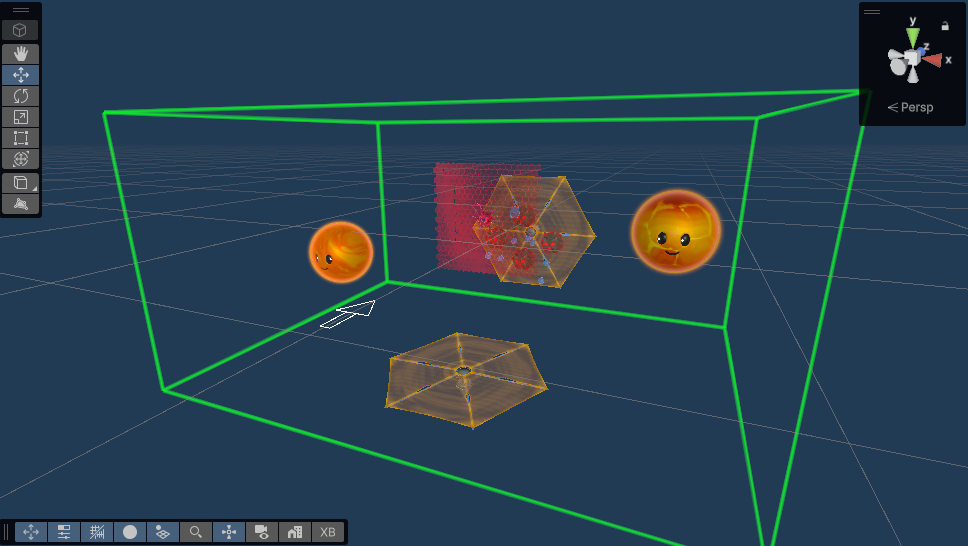
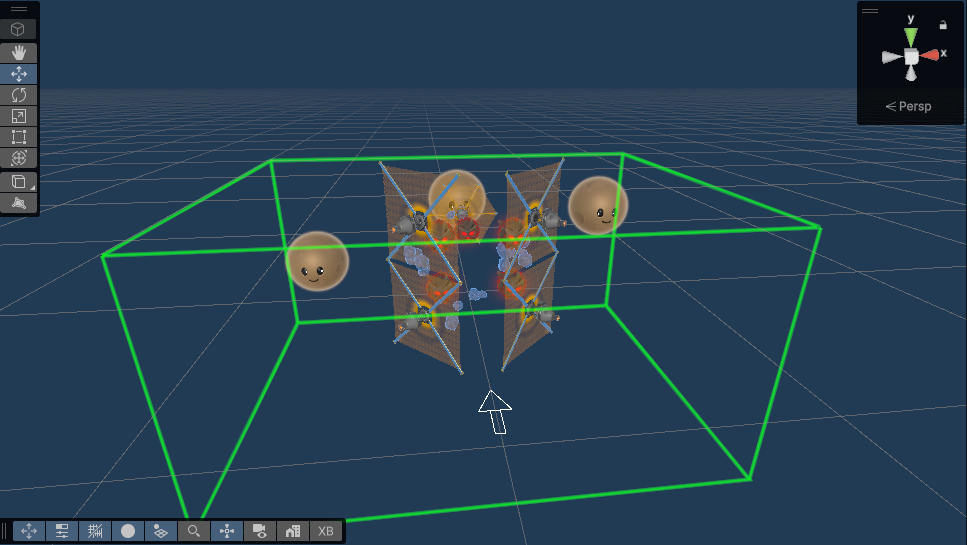
This set of levels signifies a major shift, featuring updated visuals to convey the player's journey. The core challenge introduces the Bouncy Solar Sails, a new environmental object that transforms the gameplay space. Players must now integrate shot reflection into their strategy, leveraging the sails' ability to direct projectiles in unique ways. This mechanic is the heart of a new series of puzzle-focused levels, demanding players think about indirect lines of attack.
Responsibilities
-
Full Layout from concept to Release
-
Pacing and Difficulty balancing
-
Design Targets for world
-
Iterating on levels using playtest data and approving iterations from fellow designers



Level Design Goals
Introduce Bounce Pads
Create levels that use a mixture of Bounce Pads and Shields to complete puzzles
Simple at start complex at the end
Teaching players the utility of using bouncy elements to reflect shots and how this can be used to achieve skillful trick shots
Problems & Solutions
Problem Encountered: Solar sails within these levels were difficult to predict from a players perspective with inconsistencies between the expected trajectory and the actual trajectory.
Solution: We created a proposal for the engineering team to allow us to display the predicted trajectory of the asteroid based on physics.
Result: This was instrumental in defining the visual clarity of this feature allowing us to continue using it as fun level mechanic.
World 5 : Explosive Nature
Level Overview
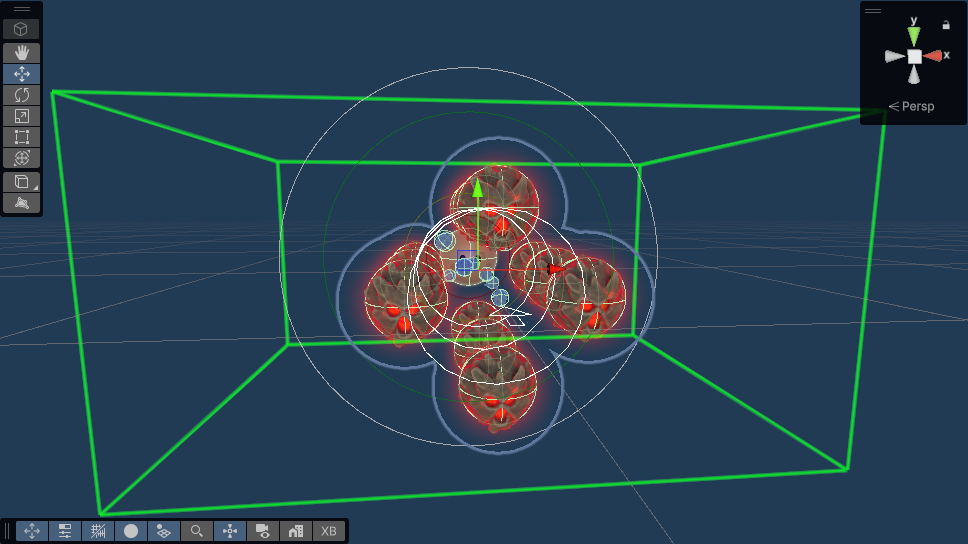
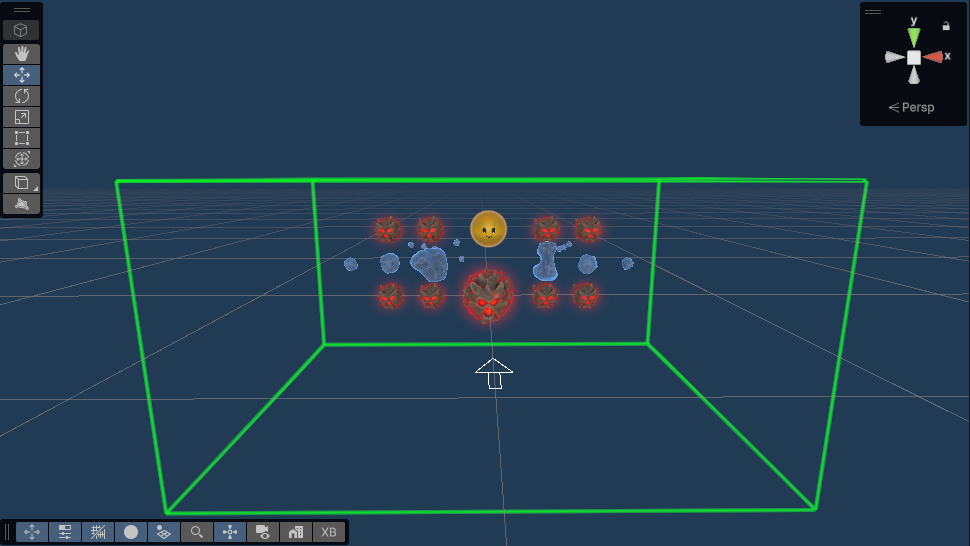
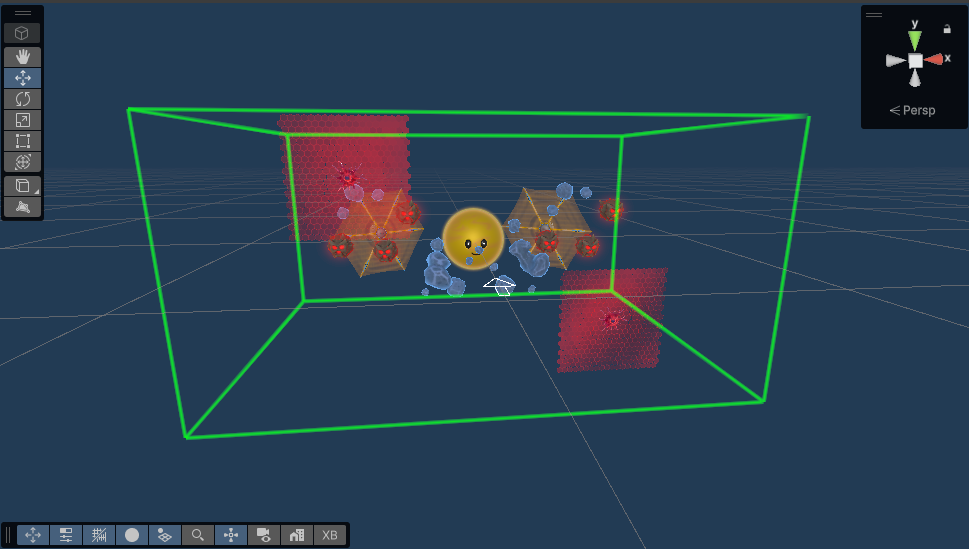
This concluding world serves as a reward for the player's cumulative mastery, introducing the powerful Boom Boulder asteroid. This new type explodes in a deadly Area of Effect (AOE), capable of clearing all nearby Witherites and other objects. This empowerment introduces a critical new dimension to puzzle-solving, requiring players to pause and strategically consider the collateral impact of their shots to achieve optimal and safe solutions.
Responsibilities
-
Full Layout from concept to Release
-
Pacing and Difficulty balancing
-
Design Targets for world
-
Iterating on levels using playtest data and approving iterations from fellow designers


Level Design Goals
Introduce the Boom Boulder
Highlight the risk reward factor of the boom boulder
Simple at start complex at the end
Introducing players to the use of AOE damage and utility of the explosive asteroid
Problems & Solutions
Problem Encountered: After analyzing data acquired from playtest we discovered that many testers accidently destroyed planets and witherites at the same time with the boom boulder trajectory.
Solution: I created a proposal for the art team to modify the existing charge VFX of the boom boulder so that it would appear more instantaneosly and highlight different colours when objects are in range.
Result: This allows us to maintain the same sense of scale and chain reactions within levels without having to make sweeping balance changes
World 6 : Boomway Blast
Level Overview
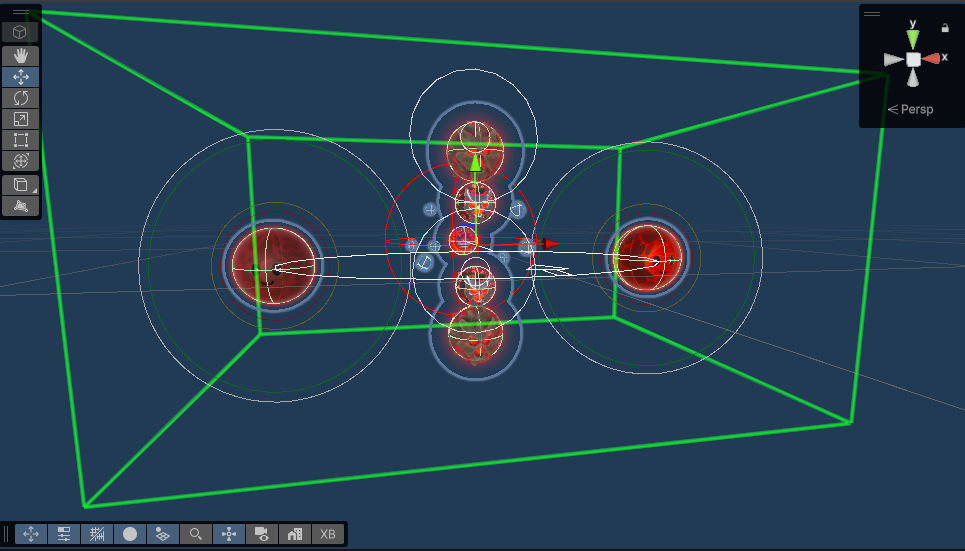
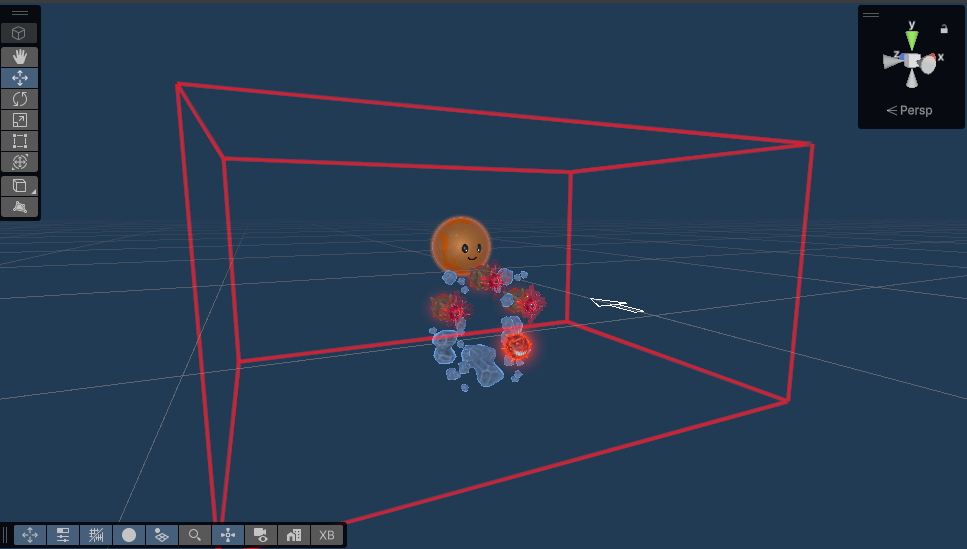
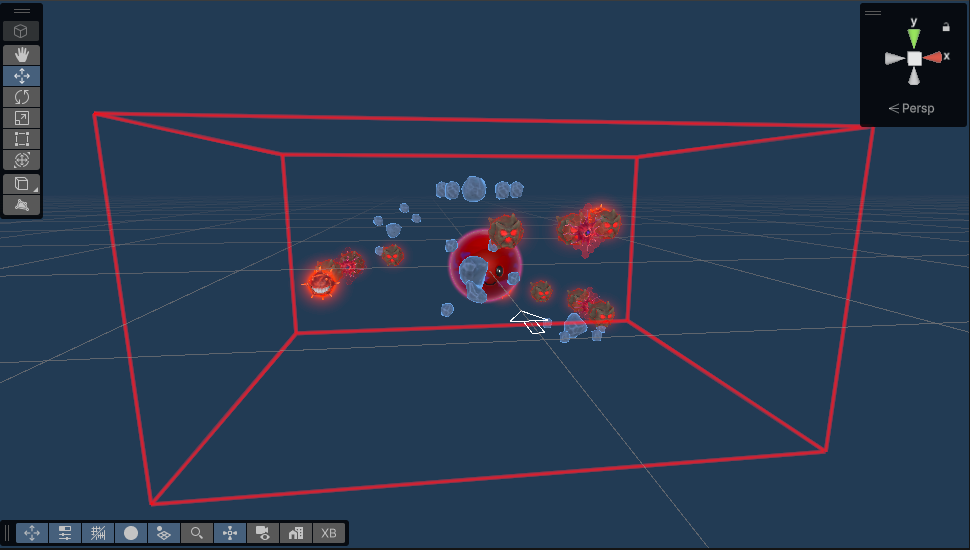
Serving as a major checkpoint in the game's progression, World 6 introduces heightened difficulty and a need for greater precision. Strong Witherites are introduced, including metal variants that necessitate the concentrated force of the Boom Boulder or the volatile Boom Blight environmental object. Since the Boom Blight explodes upon contact, the core challenge is contingent upon players demonstrating flawless timing and calculated shot placement to overcome these highly resilient threats.
Responsibilities
-
Full Layout from concept to Release
-
Pacing and Difficulty balancing
-
Design Targets for world
-
Iterating on levels using playtest data and approving iterations from fellow designers


Level Design Goals
-
Introduce Exploding Barrels
-
A combination of Splitter Stones and Boom Boulder
-
Use exploding barrels as a way to destroy targets whilst also providing a risk for the player to do so
-
Off the back of teaching players about AOE damage introduce the effective use of exploding barrels to destroy targets but also the risk they pose.
-
The introduction of the strong target pairs well with explosives due to its high hp value
Problems & Solutions
Problem Encountered: Playtesters found that Boom Blight positioning within levels was too unforgiving / not behaving as expected.
Solution: We created a proposal for the engineering team to display the same effect as the boom boulder when aiming the asteroid at it.
Result: The addition of the effect helped improve players expectations and visualization of the AOE zones making the levels challenge feel more predictable
World 7 : Temporal Distortion
Level Overview
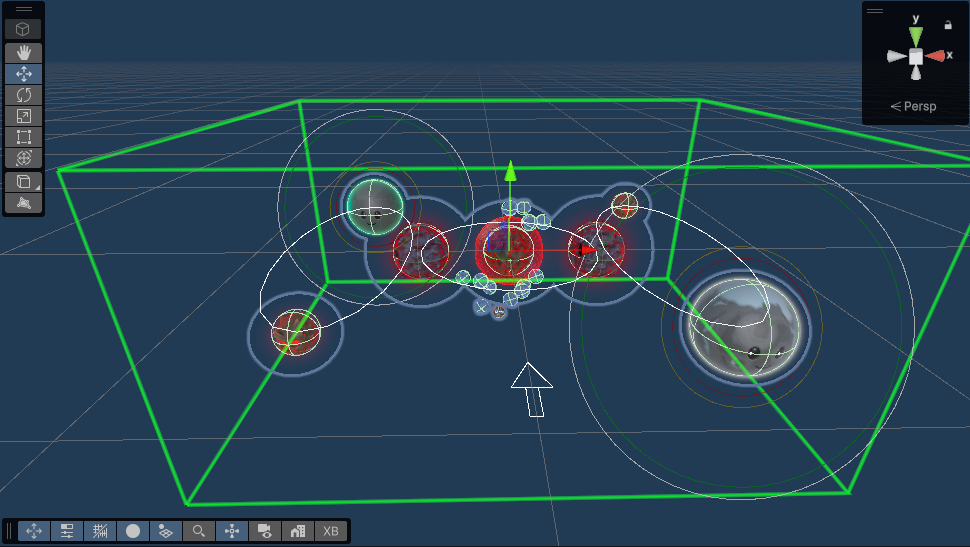
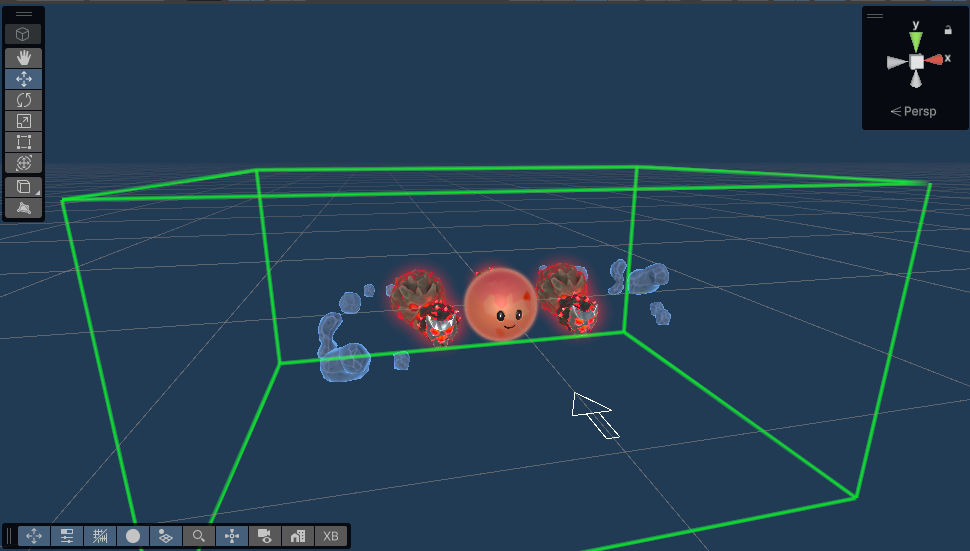
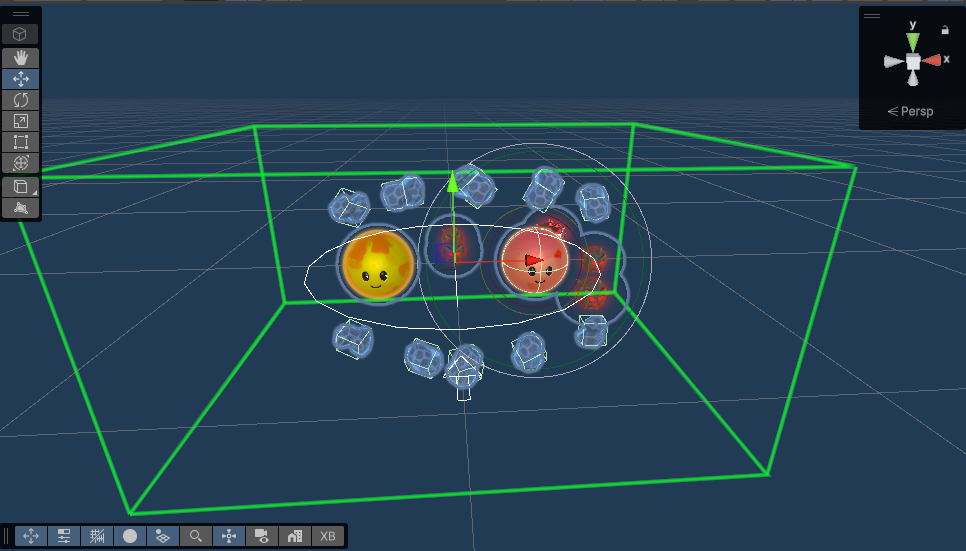
Marking the beginning of the final chapter, World 7 features a new visual theme to underscore the player's advanced progression. Mechanically, it introduces the Pause Pebble, a unique asteroid type that can be temporarily frozen in time, granting it invulnerability. This mechanic fundamentally shifts the challenge to focus on depth perception and spatial legibility. Successfully completing these levels requires a complex fusion of accurate timing and careful step-by-step decision-making to strategically manipulate the environment.
Responsibilities
-
Full Layout from concept to Release
-
Pacing and Difficulty balancing
-
Design Targets for world
-
Iterating on levels using playtest data and approving iterations from fellow designers


Level Design Goals
Introduce the Pause Pebble
Introduce Asteroid Ammo
Highlight the risk reward of pausing the pebble at incorrect moments
Introducing the functionality of the Pause pebble and how that can be used to counteract difficult orbits.
Players will learn how to gain ammo within the world. and how that can be used to help destroy boss targets
Problems & Solutions
Problem Encountered: Players found that levels using the pause pebble were overtly difficult, negatively affecting the pacing of the game.
Solution: We identified the problem lied within the timings of orbits combined with the special pause ability of the pause pebble. We dedicated some time to tweak values and increase overall orbit times.
Result: We found this to be somewhat effective and noticed a decreasing trend in the feedback. However in hindsight additional changes should of been made to overall level layouts themselves however due to time and budget constraints this was not possible.
World 8 : Potent Portals
Level Overview
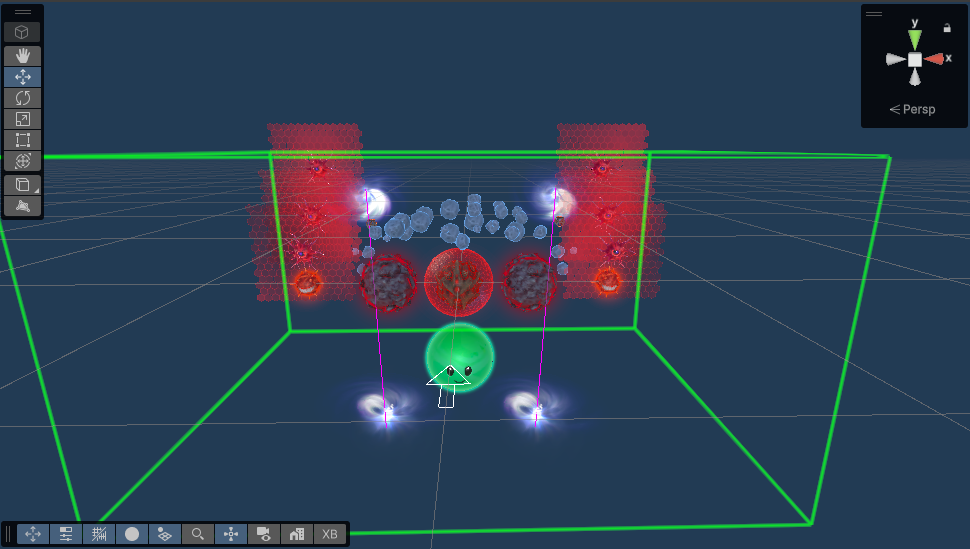
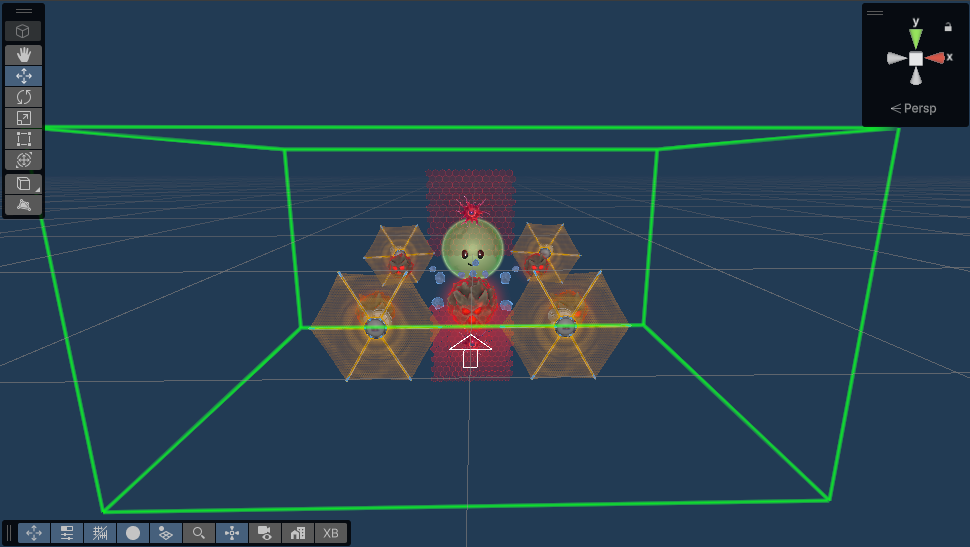
World 8 increases difficulty with the regular appearance of the Boss Witherite, which requires players to focus fire on its supporting components before it can be damaged. Furthermore, this world introduces Wormholes multi-ended portals as a key navigational mechanic. Players must leverage these teleporters to bypass detrimental obstacles, forcing a refined mastery of both complex enemy engagement and spatial navigation.
Responsibilities
-
Full Layout from concept to Release
-
Pacing and Difficulty balancing
-
Design Targets for world
-
Iterating on levels using playtest data and approving iterations from fellow designers



Level Design Goals
Introduce Wormholes
layered levels with increased complexity
Use a combination of environment effects from previous worlds
Introducing the concept of extreme gravity teaching players how to overcome this challenge and the effects of wormhole portals and how they can be used to gain hard to reach areas.
Problems & Solutions
Problem Encountered: Players had difficulty visualizing how Wormholes connected within the level space affected overall progression.
Solution: We proposed an adjustment to how wormholes connect, outlining a prediction line through interconnecting wormholes.
Result: This proved to be very effective and we noticed that wormhole stages quickly became some of players favourites.
World 9 : Hyperlane Vortex
Level Overview
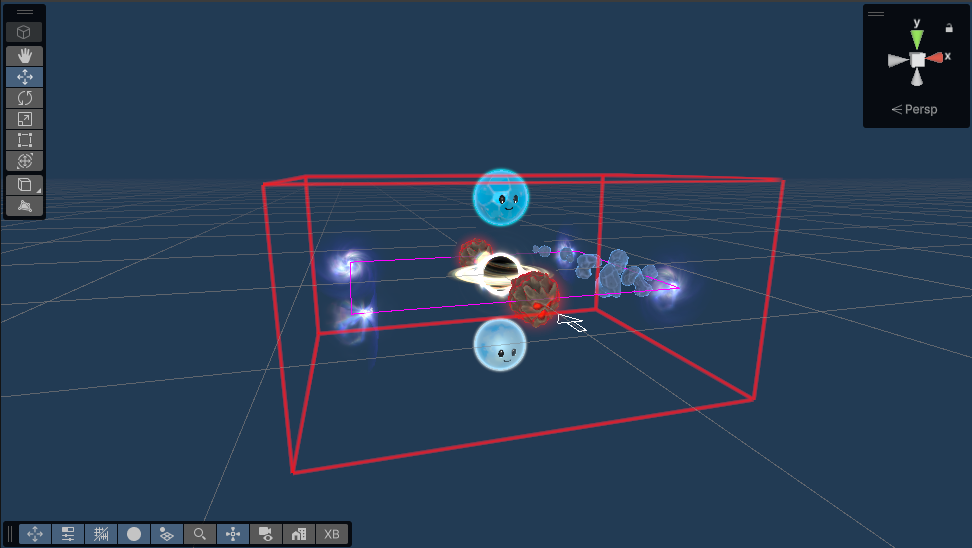
The final world of the base game delivers the ultimate mechanical counter: the Super Speedy asteroid. This asteroid is specifically designed as a hard counter to all heavy gravity mechanics. Simultaneously, this world introduces Black Holes, the game's most powerful environmental hazard, which will aggressively absorb any nearby asteroids. This final combination of ultimate risk and ultimate reward substantially ups the difficulty, challenging the player to demonstrate complete mastery and setting the stage for a rewarding and cathartic final payoff.
Responsibilities
-
Full Layout from concept to Release
-
Pacing and Difficulty balancing
-
Design Targets for world
-
Iterating on levels using playtest data and approving iterations from fellow designers



Level Design Goals
Introduce the Super Speedy Asteroid
Introduce Black Holes
Complex and layered levels requiring additional planning from the player
Introduction of final asteroid and how it can be used to counter act heavy gravity especially that of black holes
Problems & Solutions
Problem Encountered: We found that the super speedy asteroid negated some of the challenge factor with Stronger Witherites and shields.
Solution: We decided that as this asteroid is located in the final world, we could afford to ramp up the difficulty by layering challenge factors from previous worlds to help achieve the desired difficulty curve.
Result: This proved to be effective, as playtest feedback noted that players were happier with the new difficulty by a factor of 5.


